Peptide Testing: Hplc & Mass Specification Pureness Guide Pinnacle
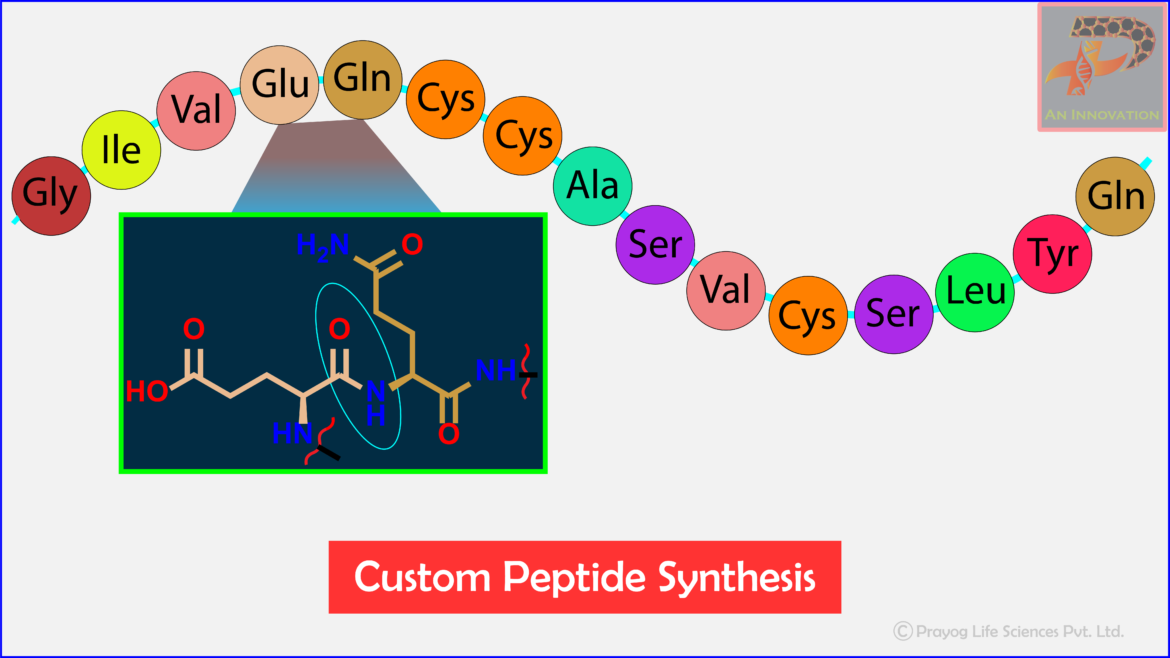
Finally, understanding peptide pureness degrees and grades helps you make notified choices for your experiments. A peptide's purity percentage tells you how much of that sample is the real offer versus spin-offs, with common research qualities being around 95% up to 98-99% for added purity. Analytical HPLC and MS are your close friends here-- HPLC measures purity, and MS verifies identification, with each other ensuring you recognize what remains in your tube.
Matching HPLC, research laboratories utilize Mass Spectrometry (usually paired as LC-MS) to verify the peptide's molecular weight and series identity. Mass spectrometry provides molecular verification by identifying the exact mass of the peptide and any co-eluting types or truncated sequences with high accuracy. With each other, HPLC and MS data allow experts to confirm that the peptide's composition matches what it should be (proper amino acid sequence and anticipated adjustments) and that no substantial contaminants are present.
The software program draws limits around each height and computes the area underneath. The pureness portion originates from contrasting the area of the primary top to the total location of Body Protection Compound 157 all detected tops. The majority of records include a table listing each top's retention time, area, and percentage of overall area.Apex Research Laboratory Content Group
Each peptide has actually a various anticipated molecular weight, so mass verification is not a generic badge; it is compound-specific evidence. For a deeper identity-focused explanation, see Mass Spectrometry Peptide Verification. Identification testing validates that what was synthesized is in fact the intended series.- The mobile stage, commonly a blend of water, acetonitrile, and an acid modifier, is kept in reservoirs and delivered through the system by a high-pressure pump.We offer physical home screening that aids groups work better with difficult samples.The mobile phase is a slope of water and a natural solvent like acetonitrile, commonly with a small amount of trifluoroacetic acid (TFA) to develop the peaks.HPLC is excellent at responding to the inquiry "exactly how pure is this example by chromatographic area percent?
Most peptide providers and study laboratories count on numerous reputable analytical techniques. All products are cost research study, laboratory, or logical functions only, and are except human usage. Product descriptions and classifications do not imply any type of restorative end results. At Chameleon Peptides, every item ships with comprehensive third-party testing documentation. You can discover more regarding our analytical screening methods on our screening and quality page. A 2016 study released in Nature located that more than 70% of researchers had actually tried and stopped working to replicate an additional researcher's experiments.

Checking Out An Hplc Chromatogram
In theory, peptide purity is evaluated by the chromatogram generated by reversed phase HPLC, and furthermore, we can obtain the number and loved one quantity of feasible by-products by calculating the peak location. A top notch chromatogram has a single, in proportion major optimal with a flat baseline on either side. " Tailing"-- where the height tracks off slowly on one side-- can suggest column issues, sample overloading, or additional communications in between Cold Chain Shipping the peptide and the stationary phase. In this configuration, the fixed stage is hydrophobic (water-repelling), typically C18-bonded silica. The mobile stage is a slope of water and a natural solvent like acetonitrile, usually with a small amount of trifluoroacetic acid (TFA) to hone the heights.
Keeping a high degree of purity is crucial because impurities can affect bioassays or reactions. As an example, abbreviated peptides or chemically customized side-products might bind to targets or create side effects that confuse your results. Specially modified peptides or cyclic peptide sequences are hard to confirm, which affects quality control. We incorporate LC-MS/MS and enzymatic digestion analysis to precisely confirm the series and modification websites of non-natural changed peptides. Residual organic solvents, metal ions, or byproducts from synthesis may cause poisonous adverse effects.
A single common chromatographic method is often inadequate for peptides that are hydrophobic, very standard, very closely relevant in sequence, or partly purified. We supply HPLC and UPLC purity evaluation workflows that focus on beneficial separation rather than just producing a percent. We develop logical process around the example kind, sequence attributes, adjustment account, and decision context. Projects might involve unrefined intermediates, purified peptides, saved lots, client-supplied materials, or materials generated via our custom-made peptide synthesis system.